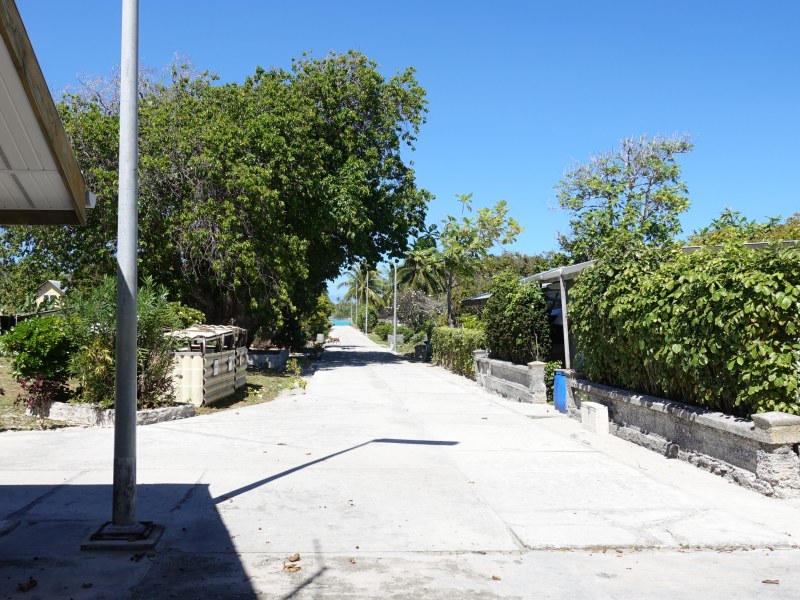
Amanu
Tags: Amanu, French Polynesia, sailing
Date: September 7, 2026
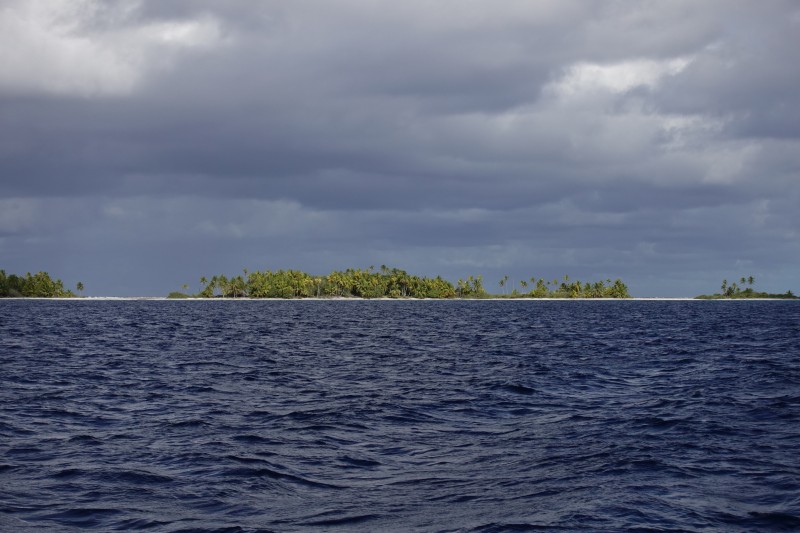
From Hao it is only a few hours sailing to get to the atoll Amanu. It has a lot smaller population than Hao, only about 160 inhabitants compared to over 1,000 in Hao. It is also close enough to Hao for the inhabitant to do a day trip to Hao in a fast boat. The pass to enter the Amanu atoll is not as challenging as that of Hao and we entered on our first try. We went past the only town in Amanu (called Iketake) and directly to an anchorage in the northern end to find protection from the wind. We stayed there several days, did some snorkeling and diving. This is the view towards land on a cloudy day:
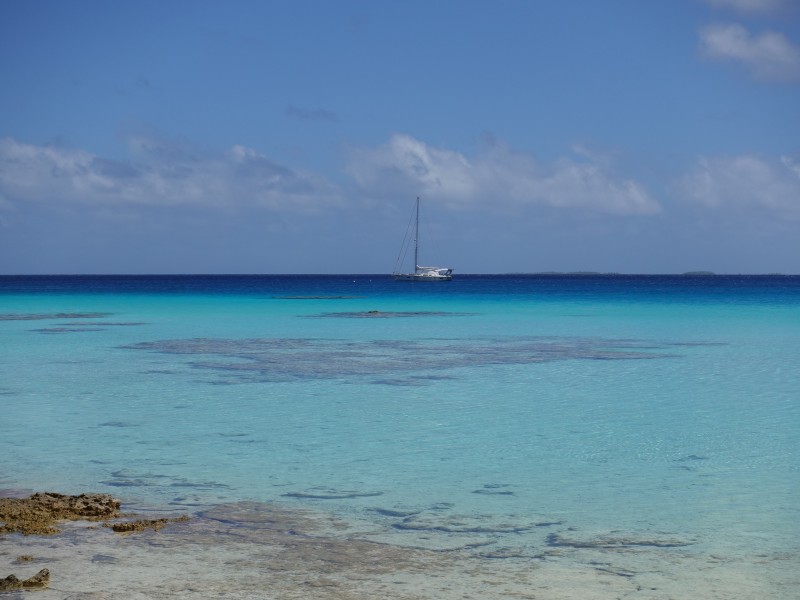
We also went ashore to explore. Here is Amanda as seen from the beach:
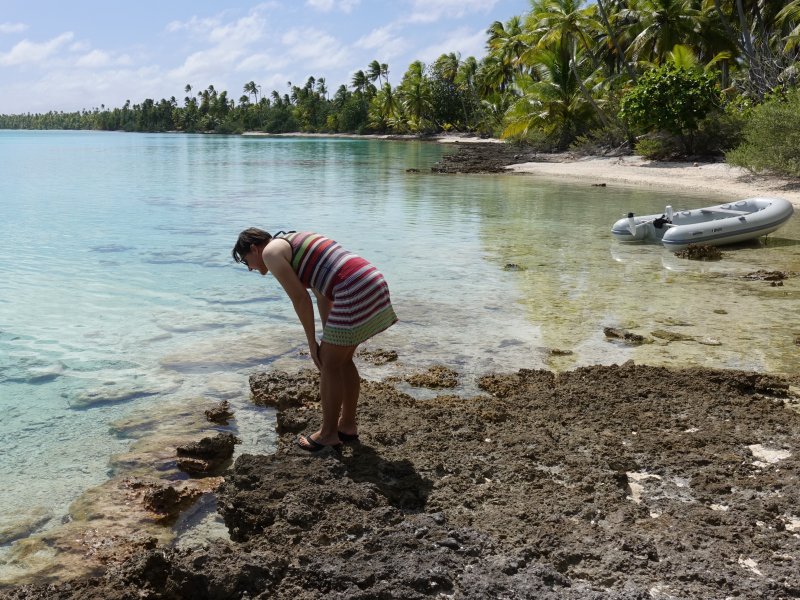
We walked along the rocky coast and found interesting stuff to look at in the water:
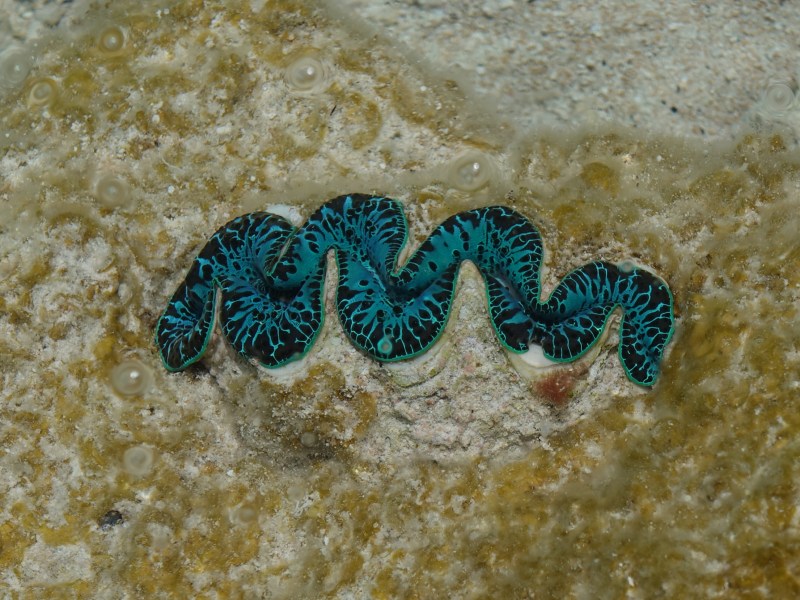
We found several of the small giant clams that we could photograph:
Picture of the rocky beach looking along a dried out channel towards the outer reef:
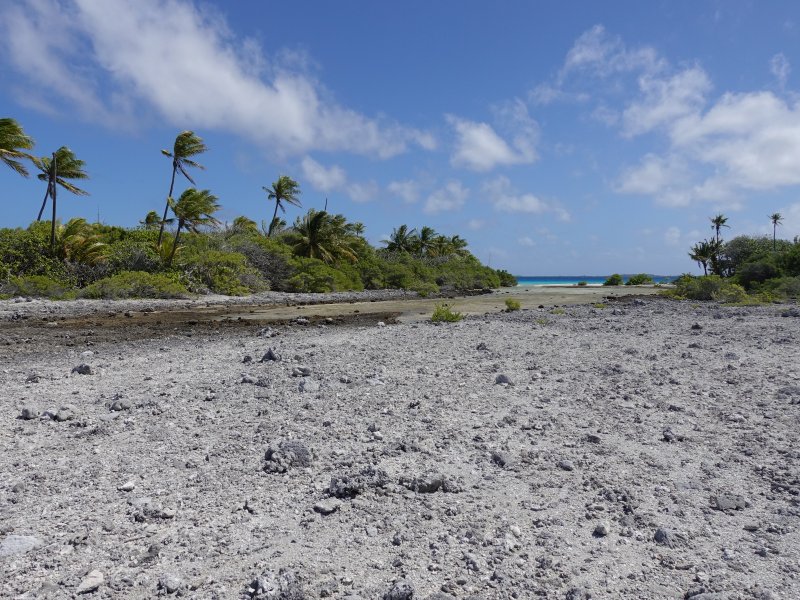
The channel gets flooded at high tide.
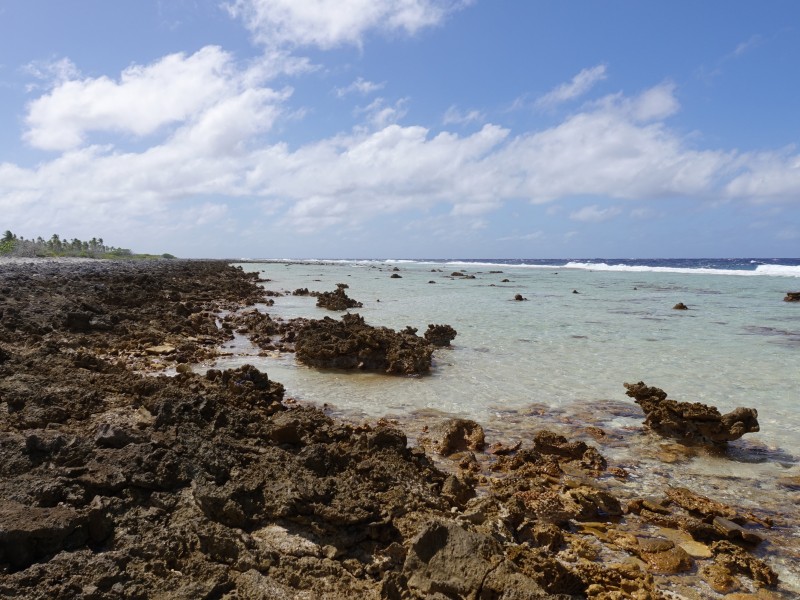
The outer side of the atoll:
Once the wind died down we moved to Iketake to pay our dues at the City Hall, get rid of trash, and buy a little food. We were very happy to find eggs, since it had been impossible to find eggs at Hao. Apart from that, the two small grocery stores did not have a lot of things, probably because the locals can go on a day trip to Hao and get groceries in the large grocery stores there.
We only stayed at the town anchorage for one night, because a new weather system was passing through, but this time with winds form the East so we moved from the western side of Amanu to the eastern side and got stuck there for 10 days waiting for the winds to calm down a bit. Fortunately we found an anchorage with some nice snorkeling and diving and saw large manta rays several times there.
In the middle of the atoll there is a large triangular reef going almost to the surface but not quite an island. The locals call it Te pito o Amanu meaning the bellybutton of Amanu. We were lucky to get almost a whole week of moderate winds from exactly the right direction so we could anchor there.
Here is an aerial view of part of Amanu (courtesy of Bing Maps) showing Te pito o Amanu in the upper right quarter:
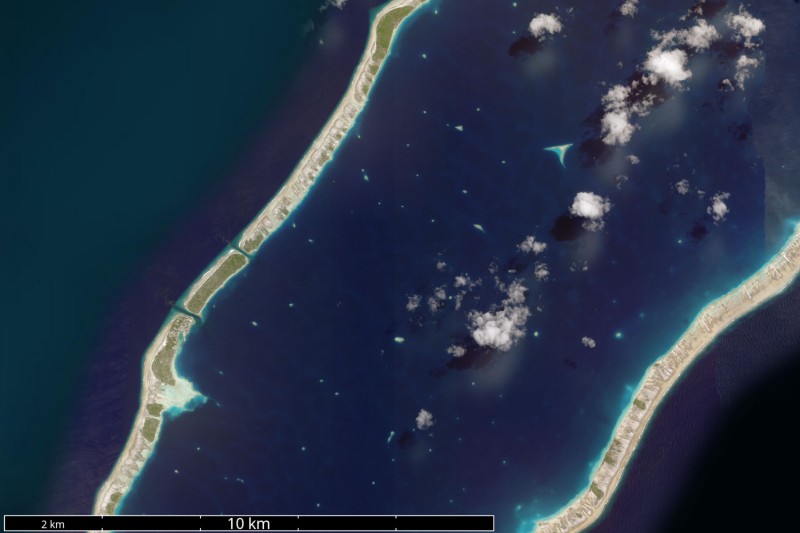
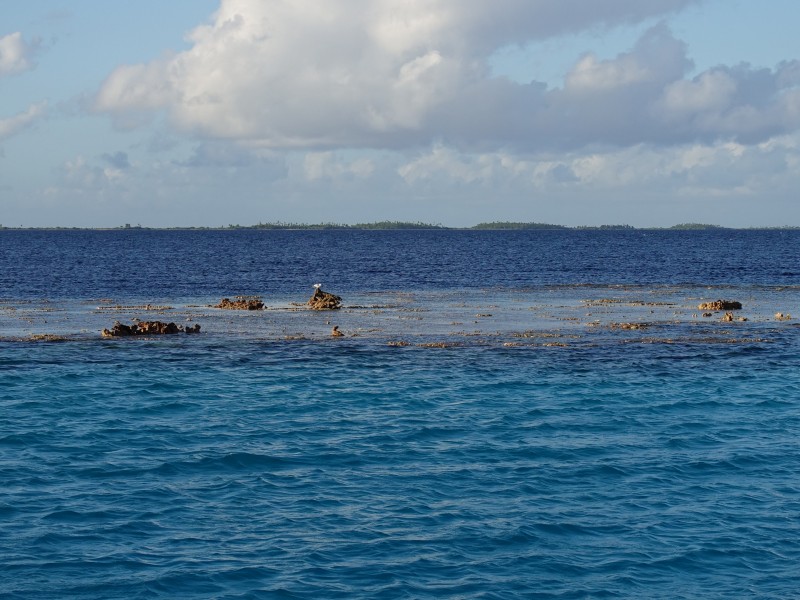
Note also, on the picture above, all the other light dots scattered around the atoll. They are coral reefs sticking up from the bottom of the lagoon almost to the surface of the water, and sometimes breaking the surface like this:
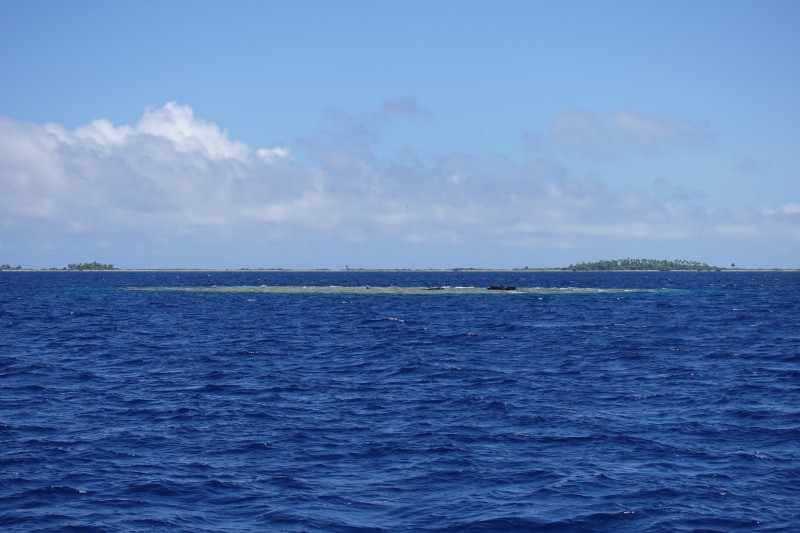
Between the reefs, the water is typically 30 to 60 meters deep even very close to the reefs. When navigating the lagoon we need to look out for these coral heads to avoid hitting them. Also, when anchoring, to protect the corals and avoid the anchor chain getting stuck we tie fenders to the chain. We tie them every 5 meters to lift most of the chain above the seabed:
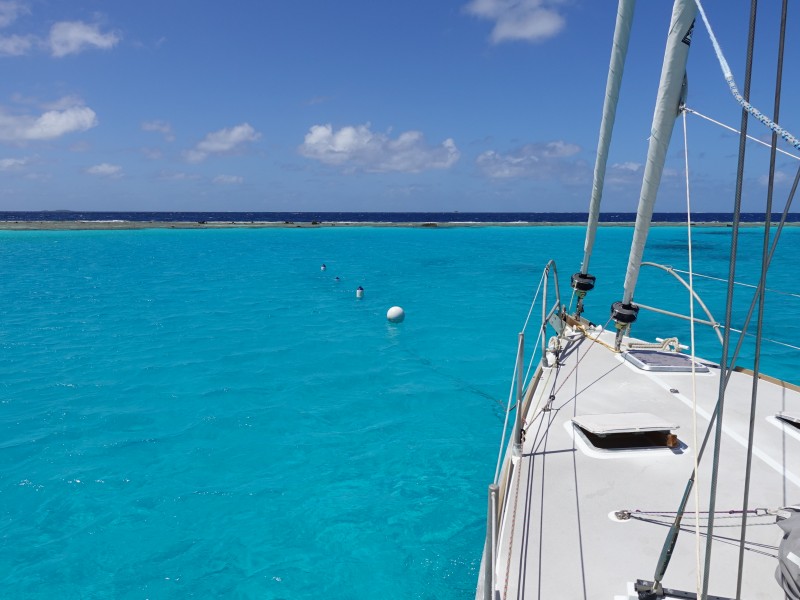
At anchor at the bellybutton, looking to the Southeast:
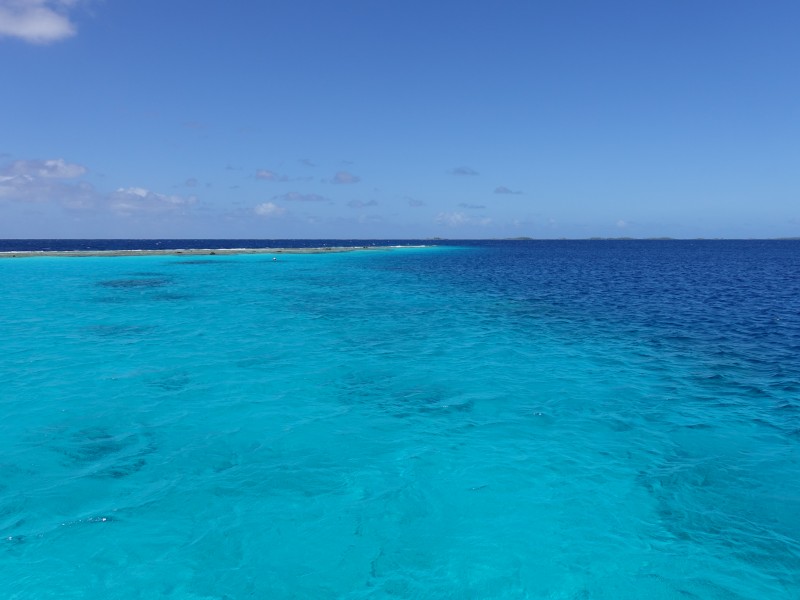
Behind the boat was a coral head but deep enough that the boat could not hit it:
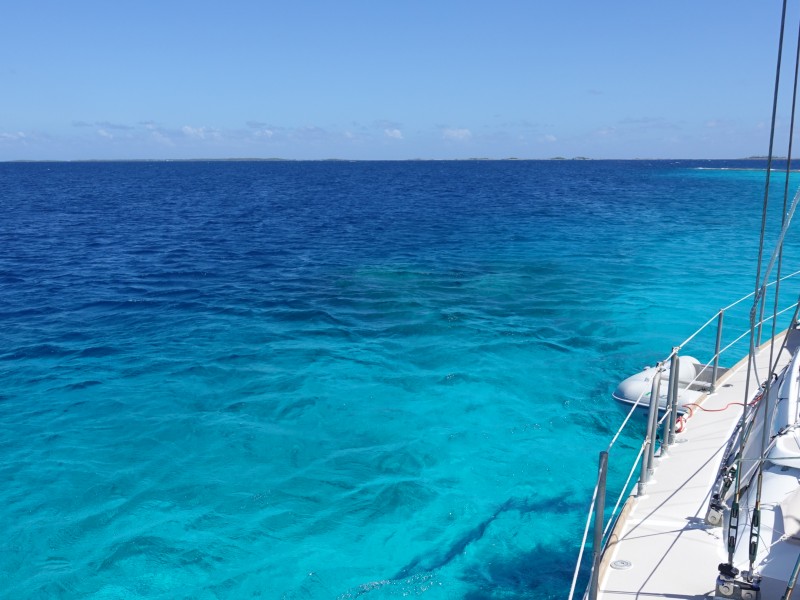
Finally looking to the Northwestern part of the reef:
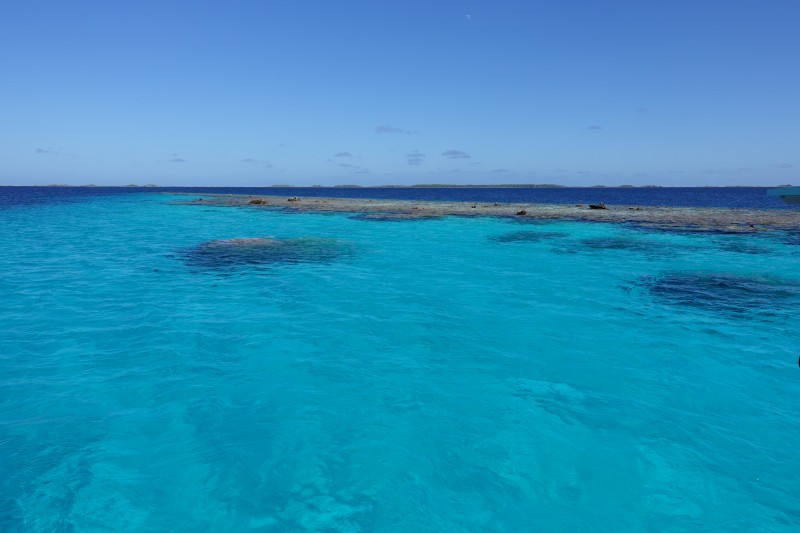
Picture of the reef at low tide where the top of the corals protrude in several places:
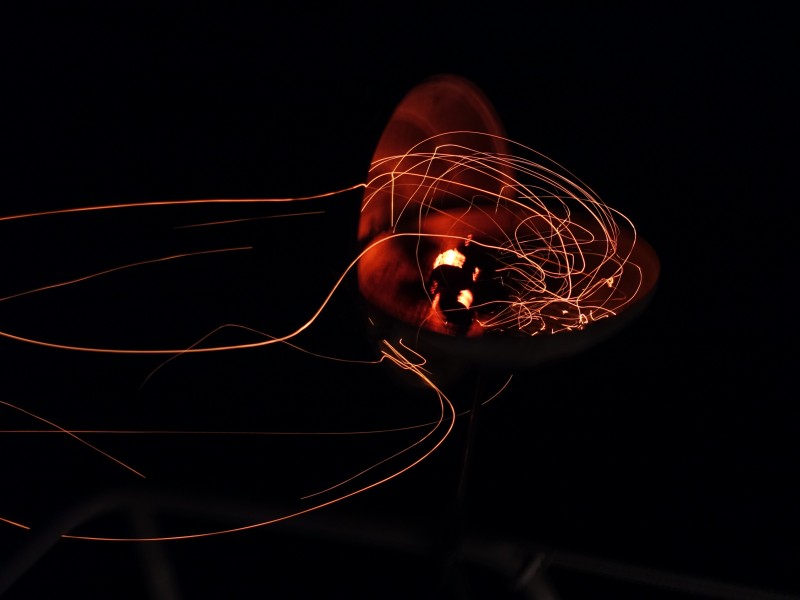
Sparks flying off the barbecue at night:
Before leaving Amanu we visited the town Iketake once more — to get more eggs :-)
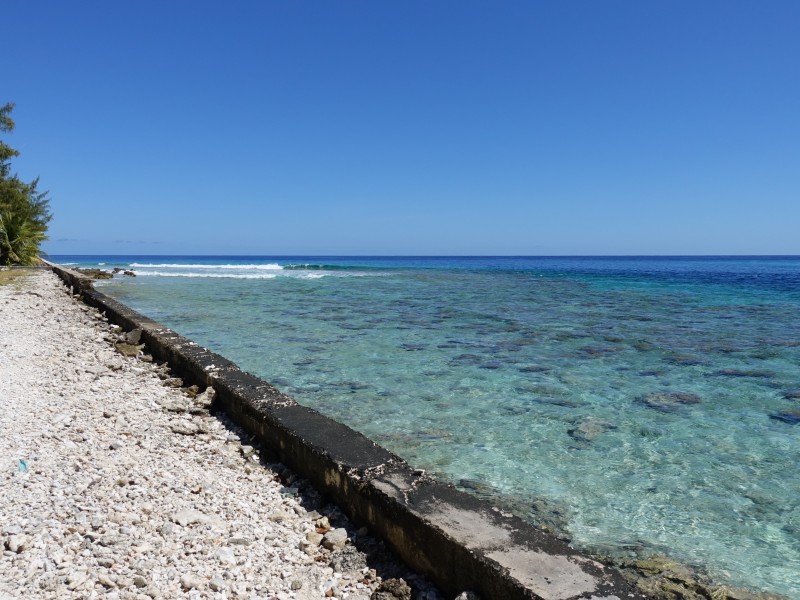
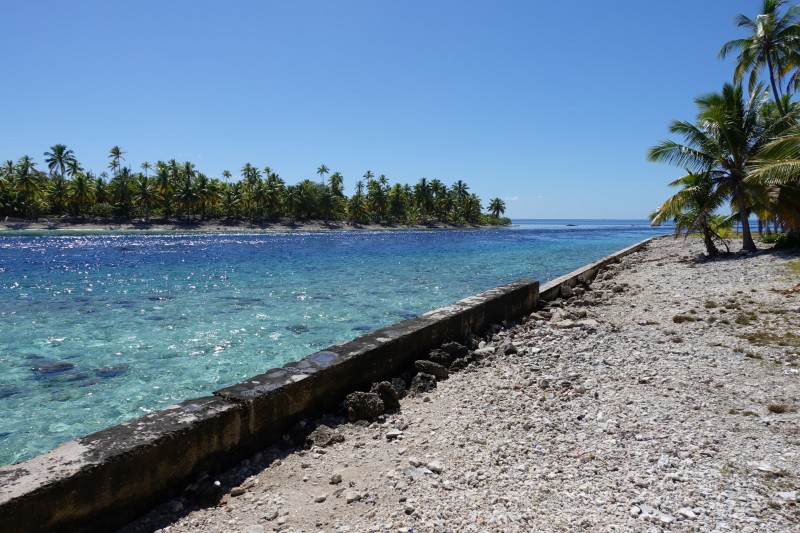
We also took a few pictures. Iketake is situated right next to the pass and there is walled "promenade" overlooking the pass:
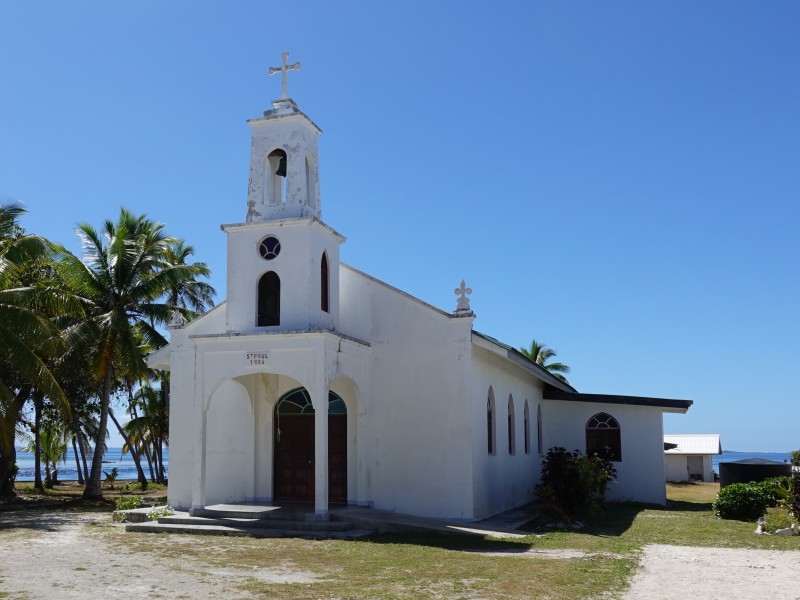
The town of 160 inhabitants have two churches, both called St. Paul's Church, both built on a little plaza right next to the pass. The new St. Paul's Church was built in 1988 when the old St. Paul's Church, built in 1875 was getting a bit old and decrepit.
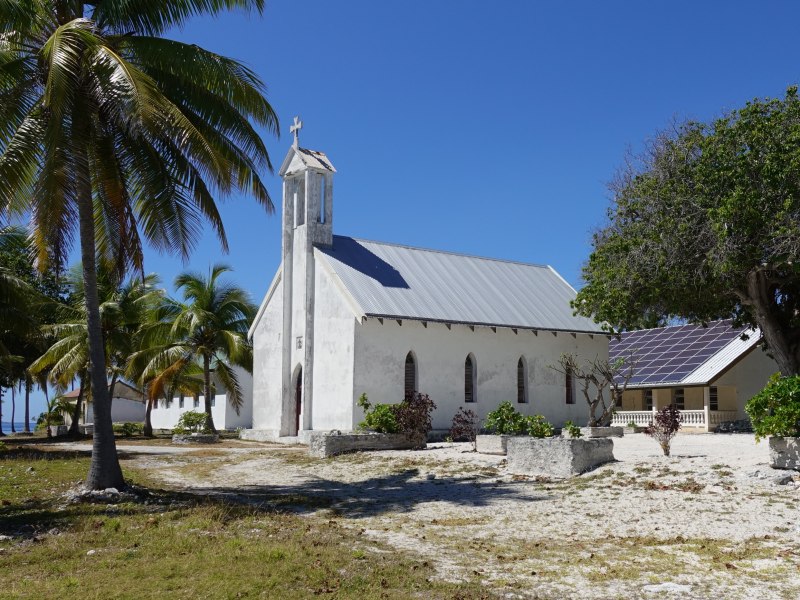
The old St. Paul's Church does not have any door or windows but was restored in 1998 by a man from Hao who had been baptized in the church as a child and wanted to prevent it from becoming a ruin. Apart from the missing window panes it looks almost as well kept as the new one:
Next to the churches are a few very large trees with a ruin of a stone house underneath:
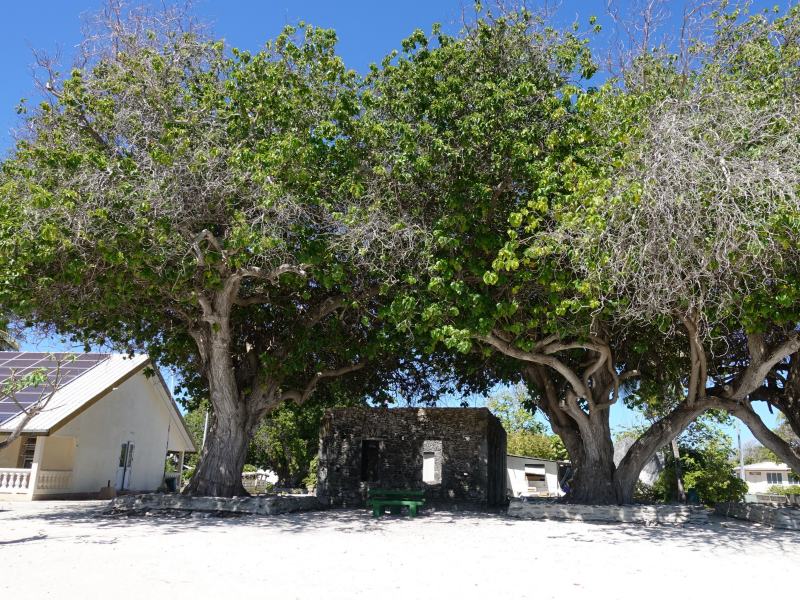
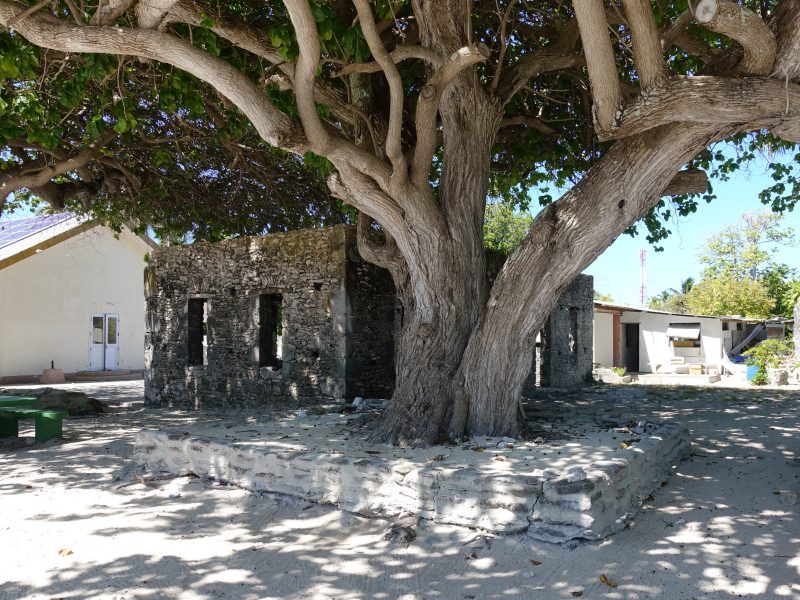
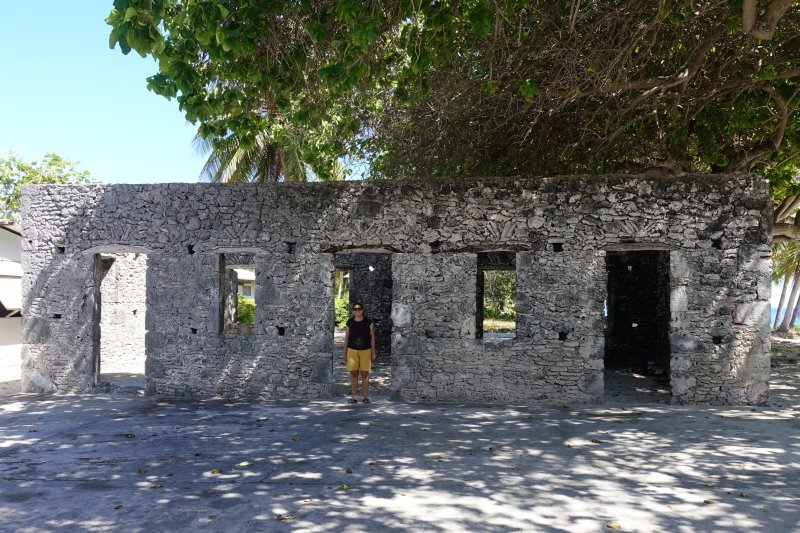
The still standing walls are beautifully built of coral rock with wood lintels over the door and window openings and at one time the house was destined to be fully restored and function as an artisanal center. However, that project has not been finished.
View along one of the two streets connecting the plaza at the pass with the enclosed harbor where the locals keep their boats: